Materials for CNC Milling & Multi-Axis Operations
Our advanced CNC milling centers are optimized to machine a wide range of metals and plastics. Explore our material selection for creating your precision components, from simple 2D profiles to complex 5-axis geometries.
Milled Metals: From Soft Alloys to Hardened Steels
We have extensive experience in milling a full spectrum of metals, achieving excellent surface finishes and tight tolerances across all material types.
Aluminum (6061, 7075)
Excellent for milling. Aluminum's free-machining properties allow for high-speed milling operations, resulting in fast cycle times and a superior surface finish. Ideal for lightweight housings, brackets, and custom components.
Stainless Steel (304, 316L)
We use rigid setups and specially coated inserts to effectively mill stainless steel, creating strong, corrosion-resistant parts with a beautiful finish. Perfect for medical, marine, and food-grade components.
Steel (Mild & Alloy Steel)
From low-cost 1018 mild steel for general-purpose brackets to hardened 4140 alloy steel for high-strength components, our powerful milling centers can handle the full range of steel milling applications.
Titanium (Grade 5)
Milling this tough material requires expertise. We use specific cutting strategies and high-pressure coolant to manage heat and produce strong, lightweight parts for aerospace and high-performance applications.
Milled Plastics: For Low-Friction and High-Performance Applications
POM (Acetal/Delrin)
Delrin's rigidity, natural lubricity, and excellent dimensional stability make it ideal for milling. It produces clean chips and a beautiful, smooth finish. Perfect for bearings, rollers, and bushings.
Nylon (PA)
We use sharp tooling to effectively machine this tough and wear-resistant plastic. It's an excellent choice for custom bushings, wear pads, and structural components.
PEEK
This high-performance polymer can be milled to create components for demanding applications in the medical and aerospace industries that require high temperature and chemical resistance.
PC (Polycarbonate) & PMMA (Acrylic)
Transparent plastics that can be milled and then polished to achieve optical clarity. Ideal for lenses, light pipes, and transparent housings.
Why Material Choice Matters for Milling
The machinability of a material is a key factor in milling. Our engineers select the optimal parameters based on your material choice.
Machinability Rating
Materials like Aluminum 6061 have a high machinability rating, allowing for faster speeds and feeds, which reduces cycle time and cost. Tougher materials like Titanium have a lower rating and require a more methodical approach.
Chip Formation
Ideal milling materials form small, brittle chips that break away cleanly. "Gummy" materials can form long, stringy chips that require specific tool geometries and chip-breaking strategies to manage.
Surface Finish (Ra)
The material itself plays a huge role in the achievable surface finish. Softer materials can be milled to a mirror-like finish, while harder materials may require a secondary grinding operation for ultra-fine finishes.
Milling the Right Material for the Job
Real-world examples of how material selection impacts project success.
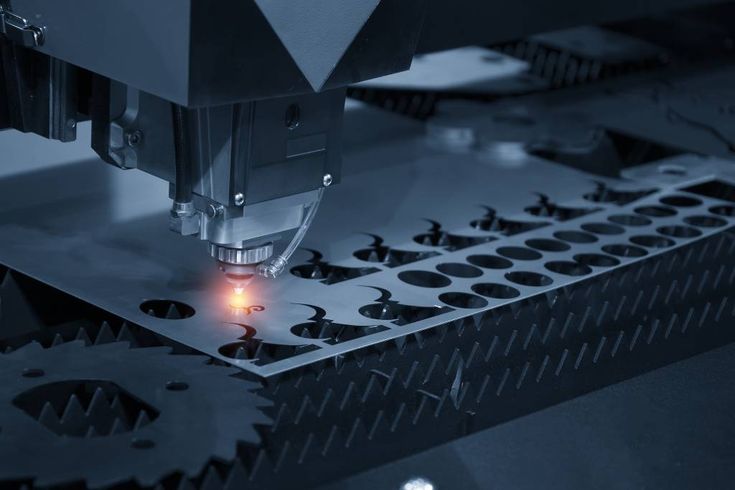
For a UAV client, weight was the top priority. We selected 7075 Aluminum for its superior strength-to-weight ratio. Our 5-axis milling strategy involved extensive pocketing and thin-walled machining. The result was a structurally rigid part that was 25% lighter than the previous design, a feat only possible by perfectly matching the right material with the right milling process.
Have a Material in Mind for Your Milling Project?
Our team has the expertise to machine it to your exact specifications. Upload your file today to receive a comprehensive quote.
Upload Your File for a Milling Quote